Introduction: What is Deaddiction?
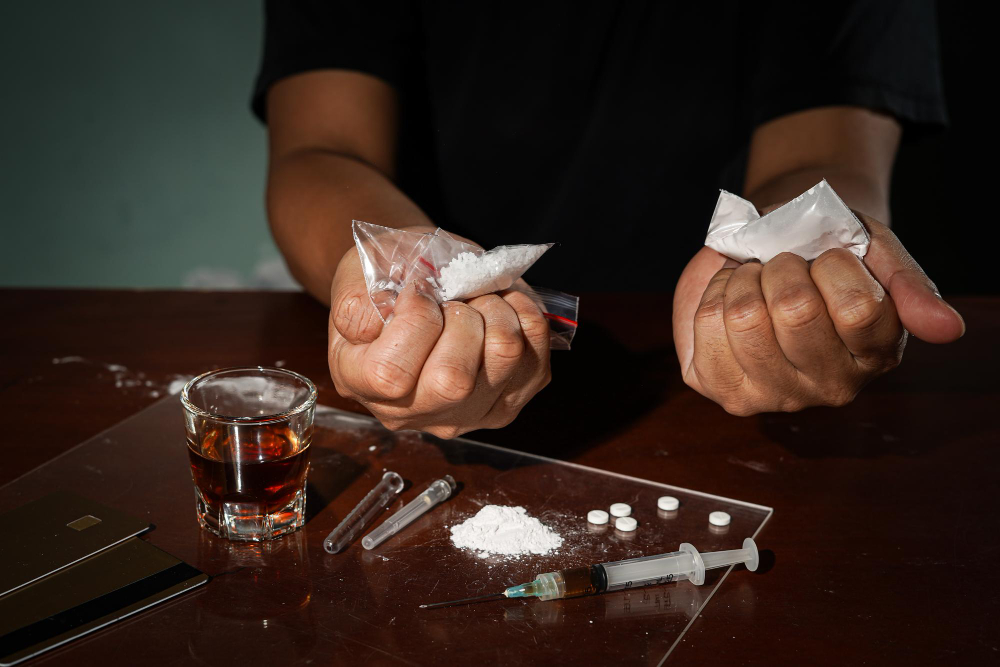
Many people ask, “What is deaddiction?” Deaddiction means the process of helping someone stop using harmful substances. These substances can include alcohol, drugs, or tobacco. In simple words, deaddiction helps people break free from addiction. It also supports them in living a healthier life. Because addiction can affect anyone, it is important to understand deaddiction meaning and how it works.
Why is Deaddiction Important?
Deaddiction is important for many reasons. First, addiction can harm the body and mind. For example, it can cause health problems like liver disease or heart issues. Second, addiction can damage relationships with family and friends. In addition, it may lead to problems at work or school. Therefore, deaddiction helps people regain control of their lives. It also improves their health and well-being.
Common Causes of Addiction
There are several reasons why people develop addiction. Some common causes include:
However, not everyone who faces these factors will develop addiction. Each person is different.
How Deaddiction Works: Process and Approaches
The deaddiction process involves several steps. First, the person must accept they need help. Next, they may go through detox. Detox means removing harmful substances from the body. After that, therapy and counseling help address the root causes of addiction. In many cases, support groups also play a big role. Some common deaddiction approaches include:
According to the World Health Organization (WHO), a mix of these methods often works best. Each person’s deaddiction journey is unique. Therefore, treatment plans should fit individual needs.
Benefits of Deaddiction
Deaddiction offers many benefits. For instance, it improves physical health by reducing the risk of diseases. It also boosts mental health and self-esteem. In addition, people often rebuild relationships with loved ones. Other benefits include:
Most importantly, deaddiction helps people regain control and enjoy a better quality of life.
When to Seek Help for Deaddiction
It is important to seek help if you or someone you know:
Early help can make recovery easier. Remember, asking for help is a sign of strength, not weakness.
Conclusion
In summary, deaddiction means breaking free from harmful substance use. It is important for health, happiness, and relationships. If you or someone you know struggles with addiction, do not wait. Consult Dr Shwetha Purkanti for personalized deaddiction support.