
What is PTSD?
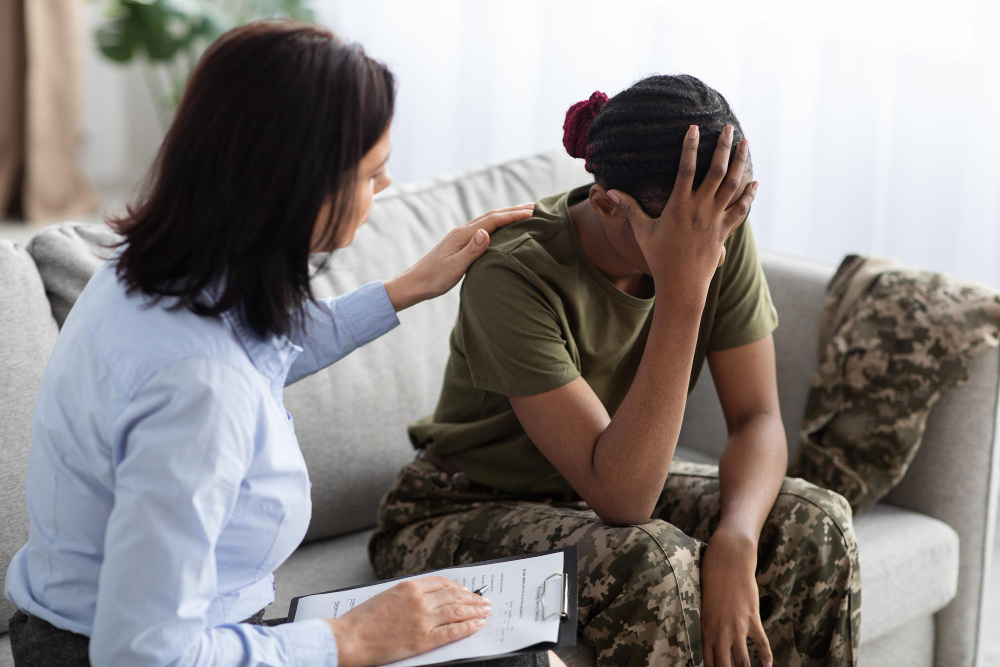
Post-Traumatic Stress Disorder (PTSD) is a mental health condition. It can happen after someone experiences or sees a scary or shocking event. For example, people may develop PTSD after accidents, natural disasters, or violence. While most people feel better over time, some continue to feel afraid or stressed long after the danger has passed. Because of this, PTSD can affect daily life and relationships.
Common Symptoms of PTSD
PTSD symptoms can look different for each person. However, there are some common signs to watch for. Early recognition can help with faster support and recovery. These symptoms often include:
Sometimes, symptoms may start soon after the event. Other times, they may appear months or even years later.
Causes and Risk Factors
Anyone can develop PTSD, but some factors increase the risk. For instance, the type and severity of the trauma play a role. In addition, personal history and support systems matter. Common causes and risk factors include:
While not everyone exposed to trauma will get PTSD, knowing these risks can help with early support.
How PTSD is Diagnosed
Diagnosing PTSD involves talking with a mental health professional. First, the doctor will ask about symptoms and the traumatic event. Next, they may use special questionnaires or checklists. According to the CDC and WHO, symptoms must last more than a month and cause problems in daily life. Because other conditions can look similar, a careful evaluation is important.
Treatment Options for PTSD
There are effective treatments for PTSD. Early treatment can help people feel better and regain control. Common options include:
Sometimes, a mix of treatments works best. Therefore, it is important to find what fits each person’s needs.
Support Strategies for Individuals and Families
Support from loved ones can make a big difference. If you want to help someone with PTSD, try these strategies:
For families, joining support groups can also provide helpful tips and emotional support.
Prevention and Coping Tips
While not all cases of PTSD can be prevented, some steps may lower the risk. For example, after a traumatic event, try to:
Because everyone heals differently, it is important to find what works best for you.
When to Seek Professional Help
If PTSD symptoms last more than a month or get worse, it is time to seek help. Also, if you or someone you know has trouble working, sleeping, or enjoying life, reach out to a mental health professional. Early support can lead to better outcomes. Remember, asking for help is a sign of strength, not weakness.
If you or someone you know is struggling with PTSD, consult a mental health professional Dr. Shwetha Purkanti for personalized support.